6 min read
How to Get a Kid Ready for Basketball Tryouts
A practical guide for Chatham-Kent parents: what tryout evaluators tend to look for, a four to six week preparation plan, what to do the week of and the morning of, and how to handle it if your kid doesn't make the team.
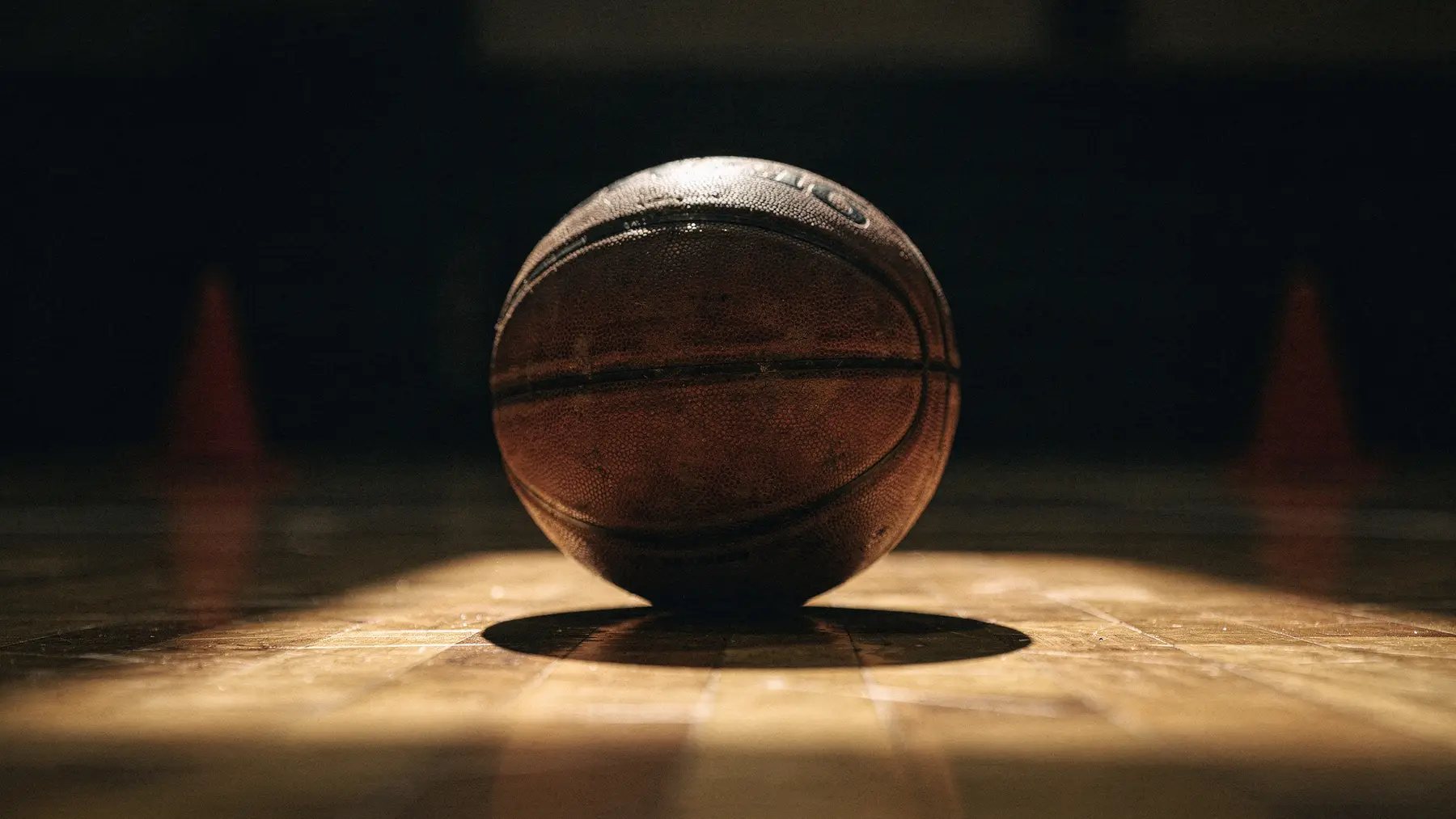
Tryouts are a strange kind of test. Your kid gets a session or two in a gym full of other kids, in front of adults who mostly don't know them. Nobody explains the scoring. Then a list goes up.
The good news is that tryouts are more predictable than they look. Evaluators are watching for a short list of things, and most of that list can be practised in a driveway. Here is what to work on, when to work on it, and what to do if the list goes up without your kid's name on it.
What evaluators are actually looking for
Coaches running a tryout have a hard problem: too many kids, not enough time, and a roster to fill. They are not building a scouting report. They are sorting quickly, and they tend to sort on things that show up fast and repeat.
In our experience, that usually means some version of this:
- Can they catch and pass under mild pressure? A kid who fumbles good passes creates work for everyone. A kid who catches cleanly and moves the ball on time looks reliable straight away.
- Can they handle the ball with their head up? Not fancy dribbling. A couple of dribbles under control, eyes forward, without losing it when a defender closes.
- Do they defend when the ball is somewhere else? This is one of the biggest separators we see. Guarding the ball is easy to remember; keeping a stance, seeing both the ball and your check, and jumping to help is what stands out.
- Do they move without the ball? Cutting, filling an open spot, spacing out instead of standing beside a teammate.
- Effort that doesn't switch off. Sprinting back on defence, chasing a loose ball, going hard on the last rep of a drill when they're tired.
- Coachability. Do they look at the coach during instructions, try the correction on the very next rep, and not sulk when they get one?
- Shooting form and range, honestly assessed. A repeatable shot from a distance they can actually reach beats a heaved three.
Notice what is not on that list: height, dunking, scoring the most points. Size helps and coaches notice it, but you can't train it, so ignore it. Everything else is trainable in a few weeks.
A realistic four to six week plan
Four to six weeks is enough time to change a kid's tryout meaningfully. It is not enough to rebuild a jump shot from scratch, so pick a small number of targets and repeat them until they are boring.
Aim for a few shorter skill sessions a week, half an hour or so each, plus one or two longer sessions where they actually play against other people. Playing matters. Skills that only exist alone in a driveway tend to disappear at a tryout.
Weeks 1 and 2: build the base
Conditioning first, because a tired kid looks like a lazy kid. Short repeated sprints beat long slow jogging here — basketball is stop, start, change direction. Get them comfortable being out of breath and still executing.
Then form shooting close to the rim, one hand and then two, working out to a distance where the shot still looks the same. Ball handling with both hands, stationary and moving, eyes up. And defensive stance work: slides, closeouts, and holding a low stance longer than feels comfortable.
Weeks 3 and 4: add pressure and decisions
Now put a defender, a clock, or a consequence on everything. Shooting becomes make five in a row from three spots. Ball handling becomes one-on-one from the wing. Passing becomes two-on-two, so they have to read a help defender.
This is where a coach's eye is worth the most, because tryout mistakes are often decision mistakes rather than skill mistakes. If you are running the sessions yourself and want structured drills instead of making it up at the gym, Six Seven Ball is basketball coaching software with a drill library, a play designer and practice-planning tools. It has no connection to Chatham Kings, but it is a useful starting point if you are planning practices for the first time.
Weeks 5 and 6: rehearse the tryout
Find out what the tryout actually looks like — coaches will usually tell you if you ask politely — and practise those exact things. Layup lines at speed. Three-man weave. Defensive shell. Five-on-five with quick substitutions.
Have your kid do a couple of sessions with players they don't know. Being the new kid in a gym is its own skill, and it is much easier the second time.
The week of tryouts
Reduce, don't cram. A couple of light sessions, mostly shooting and handling, nothing that leaves them sore. Add nothing new. The kid who learns a new move on Tuesday will try it on Thursday and turn it over.
Handle the logistics early: basketball shoes with grip left in them, a water bottle, any forms or fees the school or club needs, and confirmation of times and location. A kid scrambling for a signature in the parking lot walks in already rattled.
Sleep does more for them that week than any extra session would, and it is free. So is a normal bedtime, which is harder than it sounds when a kid is nervous.
The morning of, and the tryout itself
Eat a normal breakfast, not a special one. Bring water and something small to eat if the session is late in the day. Get there early enough to be one of the first in the gym rather than the last one through the door.
The car ride is where parents do the most damage, usually with good intentions. Keep it short. "Play hard, be a good teammate, have fun" is enough. A list of technical reminders on the drive becomes a list of things to worry about in the gym.
During the session, tell your kid to do three things: sprint everywhere, talk on defence, and volunteer first when a coach asks for a demonstration. Talking is the cheapest way to be noticed for the right reason. And if they make a mistake, the recovery is what gets scored — sprint back, next play.
If they don't make it
Some kids won't. Rosters are small, evaluations are imperfect, and a lot of it comes down to what a particular coach needs that particular year. That is worth saying out loud, without making it sound like an excuse.
Give it a day before you analyse anything. On the night itself, the job is just to be a parent: feed them, let them be disappointed, don't rush them past it and don't pile on. Avoid criticising the coach in front of them, even if you disagree — your kid may play for that coach one day, and it teaches them that outcomes are someone else's fault.
A few days later, ask the coach for specific feedback — one or two things to work on. Coaches will usually give it if the question is asked calmly and privately. Write it down. That becomes the plan for the next stretch, and it is more useful than anything you would have guessed.
Then find them somewhere to keep playing. Missing one team is only a real setback if it becomes the reason a kid stops. Rec leagues, school intramurals, open gyms, pickup with older cousins — all of it counts. Kids who keep touching a basketball through the off-season tend to look different at the next tryout; the ones who put it down tend to look the same.
Where we fit in
Chatham Kings runs skill development for ages 8 to 18, including a tryout prep program at $199 and small-group pods starting at $50 per player per session when four players share the time. Private sessions are $99 each, or $379 for a package of four. The full breakdown is on our training page.
We also run an after-school program for ages 8 to 14, Monday to Friday, with doors at 3:00 PM for arrival and homework and a coached session from 4:00 to 6:00 PM. Monthly rates are on the after-school page.
One thing worth being clear about: we don't run teams, and we're not competing with the programs your kid is trying out for. We're glad when local kids make a school squad or the Chatham-Kent Wildcats, and our job is to help them arrive at those tryouts prepared. If you're not sure which option fits, get in touch and tell us what they're trying out for.